
There is a distinct magic to the northernmost reaches of Europe. Scandinavia—encompassing Denmark, Norway, and Sweden—is a region where nature exists on a colossal scale and human design focuses heavily on simplicity, sustainability, and happiness.
While Western Europe boasts grand empires and Southern Europe offers sun-drenched coastlines, Scandinavia provides something entirely different: a pristine landscape of ancient glaciers, deep blue waterways, and vibrant cities that consistently rank as the happiest places on Earth. If you are ready to trade ancient stone ruins for dramatic wilderness and sleek modern design, a journey through the far north is the ultimate escape.
1. Copenhagen: The Colorful Capital of Cozy Living
Your Scandinavian adventure naturally begins in Copenhagen, the flat, hyper-stylish capital of Denmark. Famous across the globe for its progressive bicycle culture and historic maritime charm, Copenhagen is a city that feels incredibly intimate and welcoming.
Finding Balance Through Hygge
To understand Denmark, you must understand hygge (pronounced “hoo-gah”). Often translated poorly as “coziness,” hygge is actually a deep cultural philosophy centered around creating a warm, comfortable atmosphere and enjoying the good things in life with good people.
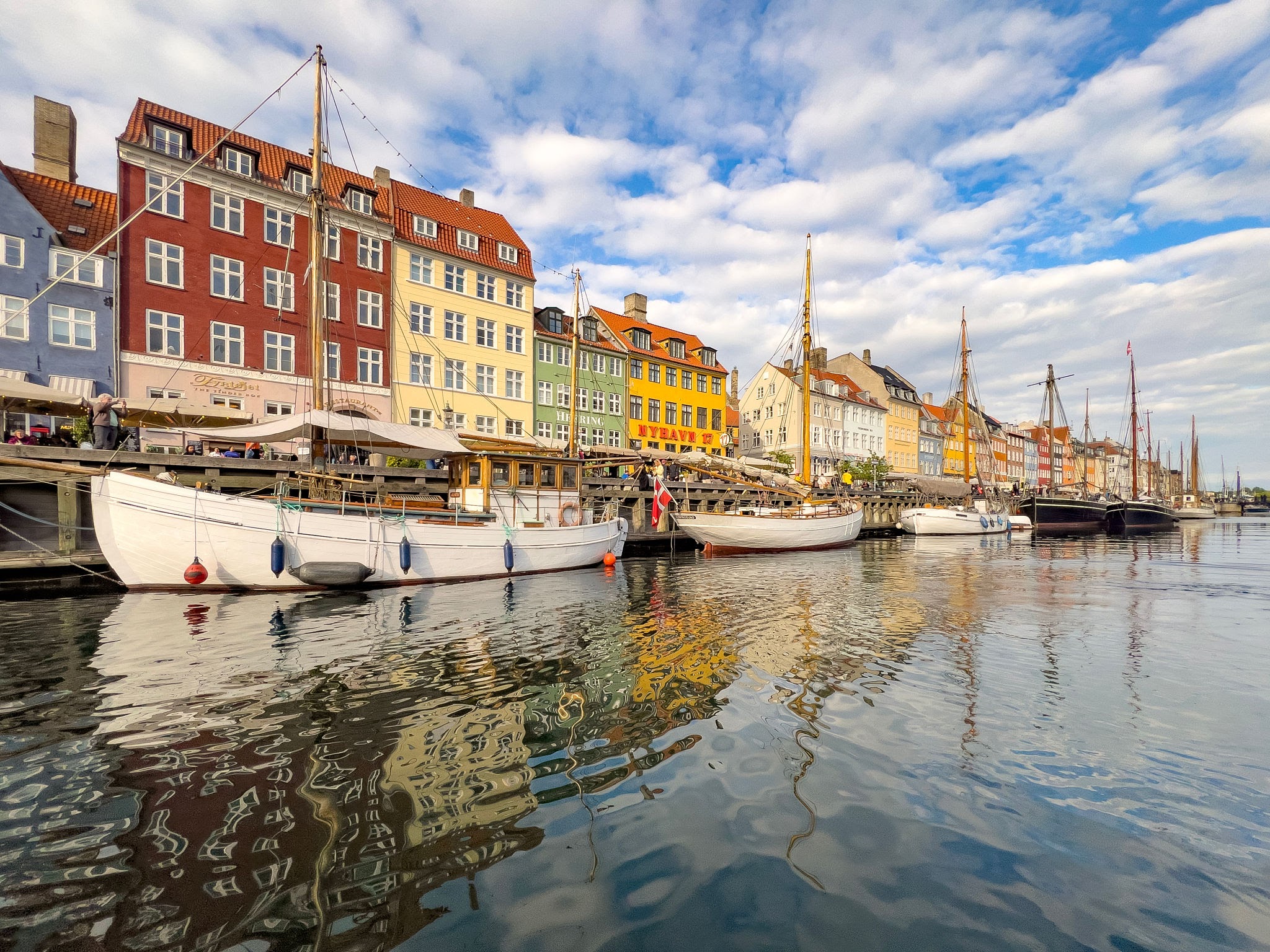
The Vibrant Waterfront of Nyhavn. Source: photoman / Getty Images
You can feel this philosophy everywhere in the city, but nowhere is it more visually striking than in Nyhavn. This 17th-century waterfront canal is lined with brightly colored townhouses, historic wooden ships, and bustling open-air bars. Whether you are enjoying a fresh pastry by the water in the summer sunshine or sitting under a fleece blanket by candlelight in the autumn, Nyhavn represents the relaxed heart of Danish living.
A Paradise for Bicycles and Foodies
Copenhagen is designed for human-scale best cities to visit in europe exploration. With over 250 miles of dedicated bike lanes, renting a bicycle is the absolute best way to explore historic palaces like Christiansborg, navigate the indie boutiques of Vesterbro, or visit the innovative street food markets along the harbor.
2. Sweden’s Archipelagos and Regal History
Heading east over the sweeping Øresund Bridge, a short train ride brings you into Sweden. Stockholm, the Swedish capital, is a spectacular metropolis built entirely across 14 distinct islands, earning it the well-deserved title of “Venice of the North.”
Gamla Stan: Walking Through Living History
At the literal center of this floating city sits Gamla Stan (The Old Town), one of the largest and best-preserved medieval city centers in Europe. Walking through its narrow, twisting cobblestone alleys feels like wandering through an open-air storybook.
The Historic Heart of Stockholm’s Gamla Stan. Source: bluejayphoto / Getty Images
The architecture here is defined by stunning shades of gold, terracotta, and burnt orange, centered around the historic Stortorget square. After watching the changing of the guard at the nearby Royal Palace, travelers can dive into underground cellars that have been transformed into candlelit restaurants serving traditional Swedish meatballs, lingonberries, and fresh seafood.
Lagom and the Art of the Fika
Just as the Danes have hygge, the Swedes live by the concept of lagom—a word meaning “not too little, not too much, just enough.” This search for balance is perfectly illustrated by the daily ritual of Fika.
More than just a coffee break, Fika is a mandatory social pause in the day to slow down, connect with a friend, and enjoy a high-quality coffee paired with a freshly baked kanelbulle (cinnamon bun). It is a vital part of the local lifestyle that prioritizes mental well-being over constant productivity.
3. Norway: Nature on a Titanic Scale
Leaving the cities behind, traveling west into Norway introduces you to some of the most dramatic and awe-inspiring natural landscapes on the planet. Norway’s geography is dominated by its world-famous fjords—deep, narrow inlets of water carved out by glaciers over millions of years, surrounded by towering mountain walls.
The Majestic Grandeur of the Fjords
While Norway boasts thousands of miles of stunning coastline, the undisputed icon of its natural heritage is the Geirangerfjord. This UNESCO World Heritage site features vertical rock walls rising thousands of feet out of deep emerald green water, crowned by snow-capped peaks and dramatic waterfalls.
The Breathtaking Majesty of Geirangerfjord. Source: Ksenia Guzeeva / Getty Images
Traveling through the fjords by boat or driving along the winding mountain roads offers an overwhelming sense of scale. Waterfalls like the Seven Sisters cascade down sheer cliffs directly into the sea, creating a hauntingly beautiful mist that hangs over the entire landscape.
Friluftsliv: The Great Outdoors
The deep connection Norwegians share with their geography is captured beautifully by the term friluftsliv—literally translating to “free-air life.” It is the cultural belief that returning to nature is essential for the human spirit. No matter the weather, Norwegians can be found hiking, skiing, kayaking, or foraging in the forests, proving that true luxury in the north is measured by wide-open spaces and clean, crisp air.
4. Planning Your Nordic Expedition
Because Scandinavia spans across multiple islands, peninsulas, and rugged mountain ranges, mapping out your journey requires a bit of logistical strategy. Fortunately, the region features highly advanced public infrastructure.
Transportation and Seasonality at a Glance
| Country | Standout Feature | Best Travel Window | Insider Smart Strategy |
|---|---|---|---|
| Denmark | Bike-friendly cities, culinary arts, cozy harbors | May–September | Rent a cargo bike or use the fully automated, 24/7 clean metro system. |
| Sweden | Archipelagos, medieval history, design shops | June–August | Buy a ferry pass in Stockholm to easily explore outer islands on a budget. |
| Norway | Deep glacial fjords, waterfalls, hiking tracks | June–August (Hiking) / Jan–March (Northern Lights) | Use the famous “Norway in a Nutshell” train and boat ticket for a seamless fjord route. |
Smart Travel Strategies for the North
- Go Completely Cashless: Scandinavia is almost entirely digital. From street food stalls in Copenhagen to remote mountain huts in Norway, credit cards and mobile payments are accepted everywhere. In fact, many places no longer accept cash at all.
- Pack for All Seasons: Because of the northern latitudes, weather can shift rapidly. Even in the height of summer, a windproof shell jacket and warm layers are essential for exploring the Norwegian coast or Swedish archipelagos safely.
Experience the Northern Light
From the historic, colorful canals of Copenhagen to the quiet cobblestones of Stockholm and the jaw-dropping glacial walls of Norway, Scandinavia offers a travel experience that deeply recharges the soul. It is a region that reminds us that the best journeys balance vibrant urban creativity with deep, quiet immersion in the natural world.
Ready to head north? Let Best of Europe help you plan your perfect Scandinavian holiday with detailed destination guides, local lifestyle insights, and smart transit strategies.
Leave a Reply